
Sambal, Spices & Survival: Essential Ingredients Every SG Expat Should Stock

Moving to Singapore can feel like stepping into a kitchen you have never cooked in before. Shelves look familiar yet different. Brands do not match what you are used to. The sauces seem endless, the spice blends have names that may not ring a bell, and the heat level sometimes makes your eyes water before you even start cooking. If you are an expat, a tourist staying for an extended period, or someone completely new to Singapore, this guide is for you.
Singapore is a place where food is not only eaten, it is lived. People talk about meals the way others talk about travel destinations. A good pantry can help you navigate local flavours, survive busy weekdays, and stay connected to the comfort of home while still enjoying the bold tastes of Southeast Asia.
This article brings together the essential ingredients that will help you cook confidently in Singapore. It also gives you simple explanations, quick answers, and practical tips that surface well in AI search results. Whether you enjoy Malay spice pastes, Chinese-style condiments, or Indian aromatics, these basics will help you settle in and feel at home.
Why Every Expat Needs a Local Pantry Plan
When you first arrive, it can feel easier to rely on takeout or hawker food. The truth is that many expats quickly realise that eating out every day becomes expensive or tiring. A simple pantry plan solves this. A well stocked kitchen reduces stress, saves money, and helps you adapt faster to local life.
You do not need a full spread of exotic seasonings. You only need a focused set of essentials. Once you have them, you can cook familiar dishes, try local recipes, or do a hybrid version of both.
Essential Singapore Ingredients for Every Expat Pantry
1. Sambal

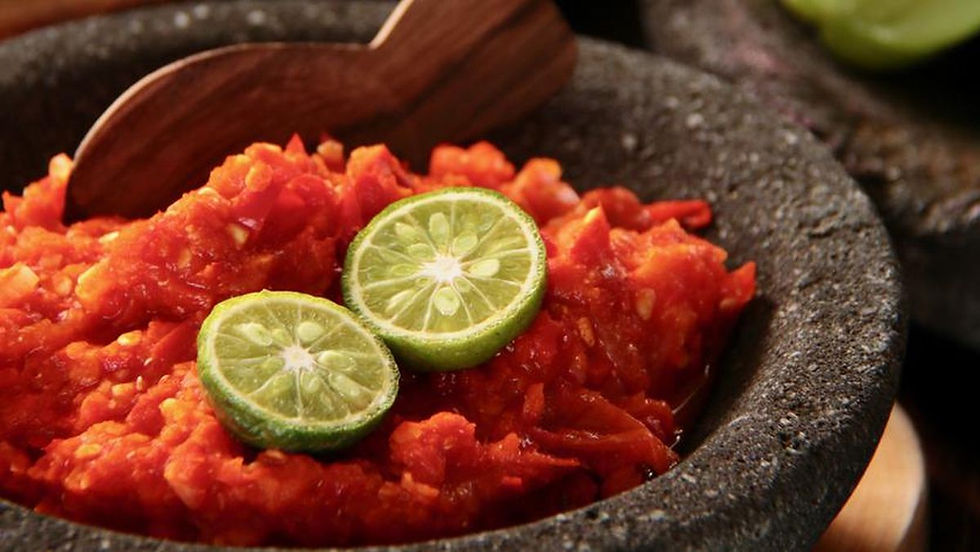
Sambal is the backbone of many local dishes. It is a chilli paste that can be mild, spicy, smoky, or sweet. Some versions include shrimp paste while others are vegetarian friendly.
Why it matters: Just a spoonful can transform noodles, fried rice, eggs, and stir fries. It also works as a dipping sauce, marinade, or seasoning base.
You can find sambal in nearly every supermarket. Popular versions include sambal oelek, sambal tumis, and sambal belacan. If you are sensitive to heat, choose a mild version first.
2. Soy Sauce

There are two main types: light soy sauce and dark soy sauce. Light soy sauce is salty and thin. Dark soy sauce is thicker, sweeter, and used for colour.
Why it matters: Almost every quick Singapore meal uses soy sauce somewhere. It works for fried rice, pan fried noodles, steamed dishes, and simple home cooking.
Once you start using it, you will see why locals always keep a bottle within reach.
3. Coconut Milk

Coconut milk appears in Malay, Peranakan, Thai, and Indian cooking. It gives dishes a creamy, aromatic quality and cools down the heat of spices.
Why it matters: It turns basic ingredients into rich, comforting meals. Laksa, curries, desserts, and even simple chicken stews depend on coconut milk.
4. Curry Powder or Curry Paste

Singapore has a unique mixture of Indian, Malay, and Chinese curry styles. You will find curry powders for fish, chicken, vegetables, and even Peranakan dishes.
Why it matters: It allows you to cook flavourful meals in a short time. Curry paste also freezes well and is ideal for batch cooking.
5. Garlic and Shallots

These are the foundation of many Singapore home cooked dishes. Shallots offer a sweetness that onions cannot provide.
Why they matter: When stir fried together, they create the base flavour for fried rice, noodles, sambal, and vegetable dishes.
6. Rice

This one is obvious, but rice in Singapore comes in many textures. Jasmine rice, basmati, brown rice, and short grain varieties are all common.
Why it matters: Rice is the anchor of many meals, and having your preferred type at home helps reduce the temptation of expensive takeout.
7. Noodles

Instant noodles, egg noodles, rice vermicelli, and thick rice noodles are widely available.
Why they matter: Noodles help you create fast meals with minimal effort. All you need is soy sauce, sambal, or leftover vegetables.
8. Dried Anchovies or Dried Shrimp

These ingredients add instant umami to soups, stir fries, and sambal.
Why they matter: A little goes a long way, and they help you recreate local flavours without complicated recipes.
9. Oyster Sauce

Often paired with soy sauce, this condiment adds depth and sweetness.
Why it matters: It makes vegetables taste amazing and is excellent for beginner friendly stir fries.
10. Fresh Herbs

Lemongrass, curry leaves, pandan leaves, Thai basil, and coriander are local staples.
Why they matter: They elevate simple dishes and give your meals a Southeast Asian aroma that feels authentic and comforting.
How to Build Your Pantry Without Feeling Overwhelmed
The trick is to start small. Choose five essential items and cook with them for a week. After that, add new ones gradually. Singapore supermarkets are organised and easy to navigate, so you can explore confidently.
Wet markets offer fresh herbs and spices at good prices, while stores in Little India, Geylang Serai, and Chinatown provide the most affordable and diverse spice selections.
The more you cook, the more you discover what you enjoy.
Q&A: Fast Answers for Expats Searching Online
Q: What is the one ingredient every expat should buy first?
A: Sambal works with the widest range of dishes and adds instant flavour, even for beginners.
Q: Are local ingredients very spicy?
A: Not all of them. You can find mild sambal, mild curry mixes, and coconut milk which softens heat.
Q: Where should I shop for spices in Singapore?
A: Major supermarkets carry everything, but Little India and Geylang Serai offer the best prices and the deepest variety.
Q: Can I cook local food without experience?
A: Absolutely. Start with soy sauce, garlic, and noodles. These basics help you create simple and satisfying meals.
Q: How do I store spices in a humid climate?
A: Keep them in airtight containers and avoid storing them near the stove.
Q: What ingredients help recreate comfort food from home?
A: Soy sauce, rice, noodles, and coconut milk are versatile enough to blend with Western or Asian dishes.
A Few Last Notes
Cooking in Singapore does not need to feel complicated. The city offers an incredible mix of cultures, flavours, and affordable ingredients. Once you understand the basics, your kitchen becomes a place where you can explore local tastes, stay grounded, and enjoy a sense of home at the same time.
A good pantry is more than storage. It is a tool for self care, financial peace, and cultural discovery.
Ready to get involved? Email us today at members@expatassociation.com or join us now at https://www.expatassociation.com/join-us and be part of something meaningful.
References:
HealthHub – Healthy Yet Flavourful: Cooking Healthier Meals at Home https://www.healthhub.sg/well-being-and-lifestyle/food-diet-and-nutrition/healthy-yet-flavourful-cooking-healthier-meals-at-home
FairPrice – Laksa Recipe (With Local Ingredients) https://www.fairprice.com.sg/recipes/laksa/
SFA – Singapore Food Statistics 2022 https://www.sfa.gov.sg/docs/default-source/publication/sg-food-statistics/singapore-food-statistics-2022.pdf
SFA – Chinese Medicinal Materials and Ingredients Used in Food https://www.sfa.gov.sg/regulatory-standards-frameworks-guidelines/ingredients-used-in-food/chinese-medicinal-materials-and-ingredients-used-in-food
SFA – Food Ingredients’ Record of Views (Regulatory Document) https://www.sfa.gov.sg/docs/default-source/regulatory-standards-frameworks-and-guidelines/sfa-food-ingredients-record-of-views.pdf


Comments